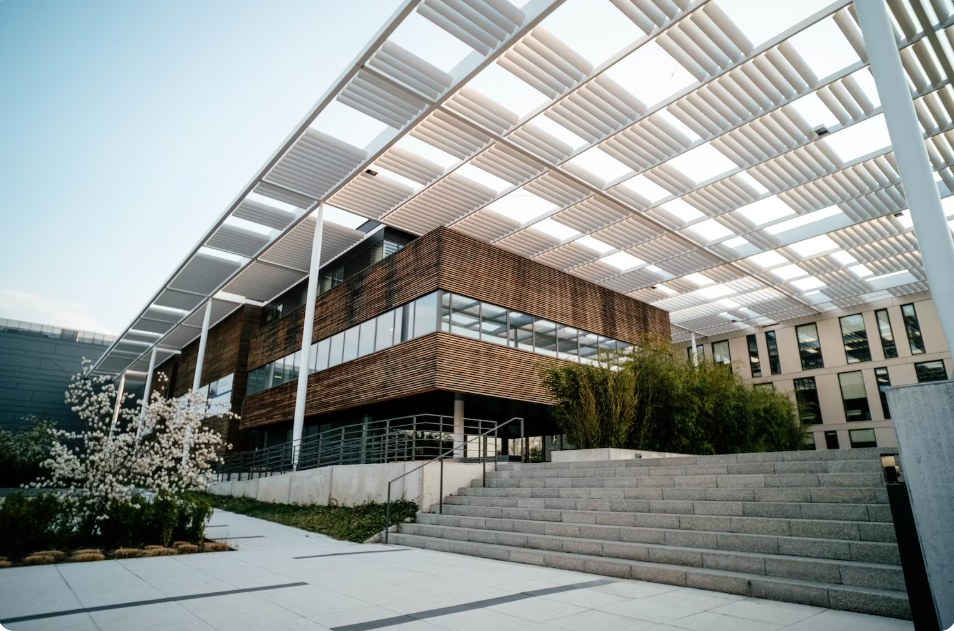
Understanding the Importance of Exterior Design
Exterior Design plays a crucial role in how a home is perceived and experienced. It creates the first impression and sets expectations for what lies inside. A well planned exterior improves visual appeal, enhances functionality, and increases overall property value. Thoughtful choices in materials, colors, and layout help homes stand out while blending harmoniously with their surroundings.
Creating a Balanced Architectural Look
A balanced exterior starts with proportion and symmetry. Rooflines, windows, doors, and structural elements should work together to create visual harmony. Even asymmetrical designs benefit from balance through consistent materials and aligned features. Exterior Design that respects architectural style ensures the home feels cohesive rather than visually scattered.
Choosing the Right Color Palette
Color selection greatly influences curb appeal. Neutral tones provide timeless elegance, while accent colors highlight doors, trims, or shutters. Lighter shades can make homes appear larger, while darker tones add depth and sophistication. Climate and surrounding landscape should guide color choices. Successful Exterior Design uses color to enhance architectural features without overwhelming them.
Materials That Combine Beauty and Durability
Material choice affects both appearance and longevity. Brick, stone, wood, metal, and composite materials each offer unique textures and benefits. Durable materials reduce maintenance and withstand weather conditions. Mixing materials thoughtfully adds depth and character. Exterior Design decisions should balance aesthetics with long term performance.
Enhancing Entryways and Front Doors
The entryway is a focal point of any home exterior. A well designed front door adds character and warmth. Lighting, steps, railings, and decorative elements frame the entrance and improve safety. Clear pathways guide visitors naturally. Exterior Design that emphasizes entryways creates a welcoming and polished appearance.
Landscaping as a Design Element
Landscaping complements architectural features and softens hard surfaces. Lawns, plants, trees, and flower beds add color and texture. Native plants reduce maintenance and support sustainability. Well maintained landscaping improves curb appeal instantly. Exterior Design benefits greatly from greenery that enhances structure without blocking views or access.
Outdoor Lighting for Style and Safety
Lighting highlights architectural details and improves visibility after dark. Path lights, wall fixtures, and accent lighting create depth and security. Warm lighting adds comfort, while focused lighting emphasizes key features. Proper placement prevents glare and shadows. Exterior Design integrates lighting to enhance both beauty and functionality.
Driveways and Walkways
Driveways and walkways influence how a home is approached. Materials such as concrete, stone, or pavers should complement the exterior style. Clean lines and defined edges improve appearance and usability. Well designed paths enhance flow and accessibility. Exterior Design considers these elements as part of the overall visual experience.
Fencing and Boundary Features
Fences, walls, and gates define boundaries while contributing to style. Materials and height should match the home’s character and purpose. Decorative fencing adds charm, while solid barriers offer privacy. Proper placement improves security without feeling closed off. Exterior Design uses boundary features to balance openness and protection.
Roof and Trim Details
Roofs and trims frame the entire structure. Roof shape, color, and material affect both appearance and performance. Trim details highlight windows, doors, and edges, adding contrast and refinement. Maintaining these elements keeps the home looking polished. Exterior Design pays close attention to these finishing details.
Sustainability and Energy Efficiency
Modern exteriors increasingly focus on sustainability. Energy efficient windows, reflective roofing, and proper insulation reduce energy use. Sustainable materials minimize environmental impact. Shade structures and thoughtful orientation improve comfort. Exterior Design that considers efficiency adds long term value and environmental responsibility.
Maintenance and Longevity
Design choices should support easy maintenance. Durable finishes, weather resistant materials, and proper drainage reduce wear. Regular upkeep preserves appearance and prevents costly repairs. Exterior Design that prioritizes longevity ensures lasting beauty and performance.
Conclusion
Exterior Design ideas that boost curb appeal and property value combine aesthetics, durability, and functionality. From color and materials to landscaping and lighting, every element contributes to the overall impression. Thoughtful planning creates exteriors that are welcoming, practical, and visually appealing. With careful choices and consistent style, homes can achieve lasting beauty and increased value through effective exterior design.