Understanding the Value of Landscaping
Landscaping plays a major role in shaping how outdoor spaces look and feel. It is not only about plants and grass but about creating an environment that supports comfort, beauty, and usability. A well planned outdoor area improves first impressions and adds character to a property. Thoughtful design helps blend natural elements with practical features, making outdoor spaces enjoyable throughout the year.
Planning Outdoor Spaces With Purpose
Successful Landscaping begins with clear planning. Every outdoor area should have a purpose, whether it is relaxation, entertainment, or everyday use. Understanding the size, layout, and natural conditions of the land helps guide decisions. Climate, sunlight, and soil quality influence plant choices and layout. Proper planning ensures that the space remains easy to maintain while delivering long term satisfaction.
Choosing Plants That Suit the Environment
Plant selection is a key element of Landscaping. Choosing plants that thrive in local conditions reduces maintenance and supports healthy growth. Native plants are often a smart choice because they adapt well to the environment and require less water. Mixing trees, shrubs, and ground cover creates visual balance and adds depth. Seasonal variety also keeps outdoor spaces lively and appealing throughout the year.
Creating Balance Between Hard and Soft Elements
A successful outdoor design balances natural features with structural elements. Paths, patios, and seating areas add function and structure. These features guide movement and define spaces within the landscape. Soft elements such as grass, plants, and flowers soften the look and create harmony. When hard and soft elements work together, outdoor areas feel organized and welcoming.
The Importance of Lawn and Ground Cover Care
Lawns and ground cover contribute greatly to the overall appearance of outdoor spaces. Healthy grass creates a clean and open look that complements other features. Ground cover plants offer an alternative to traditional lawns and reduce maintenance in some areas. Regular care such as watering, trimming, and soil improvement keeps these areas looking fresh and well maintained.
Using Lighting to Enhance Outdoor Appeal
Lighting is an essential part of Landscaping that often goes unnoticed. Proper lighting improves safety and highlights key features after dark. Soft lighting along pathways and near seating areas creates a warm and inviting atmosphere. Highlighting trees or architectural features adds depth and visual interest. Thoughtful lighting design extends the usability of outdoor spaces into the evening hours.
Water Features and Their Impact
Water features add a calming and elegant touch to outdoor areas. Elements such as fountains or small ponds introduce movement and sound that enhance relaxation. Water features also attract birds and create a connection with nature. When designed properly, they become focal points that elevate the overall outdoor experience.
Maintaining Landscaping for Long Term Beauty
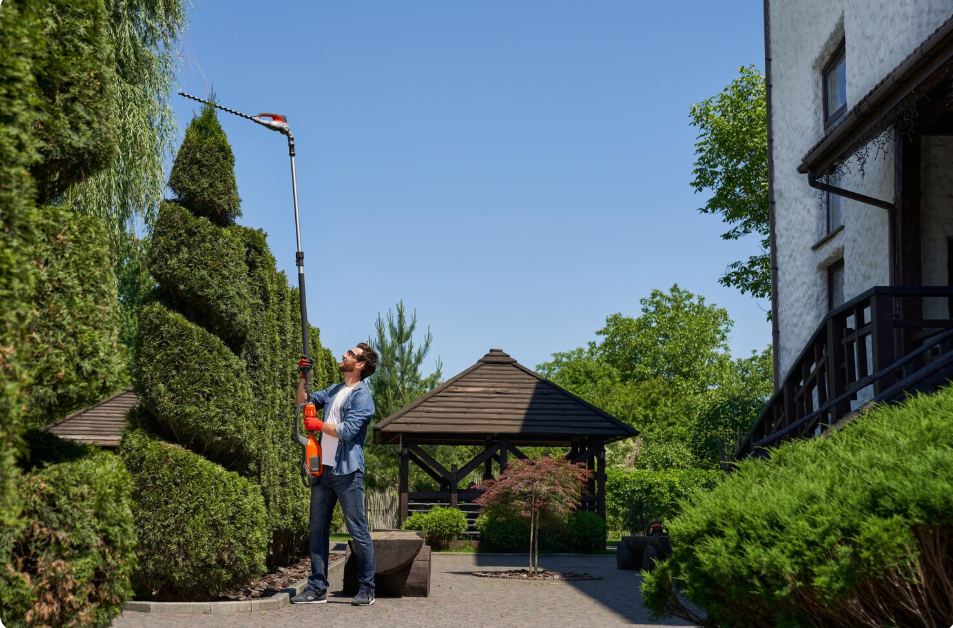
Maintenance is essential for preserving the value of Landscaping. Regular care ensures that plants stay healthy and structures remain functional. Tasks such as pruning, cleaning, and soil care prevent issues from growing over time. A consistent maintenance routine protects the investment and keeps outdoor spaces attractive in every season.
Landscaping That Supports Lifestyle Needs
Outdoor spaces should reflect the lifestyle of those who use them. Families may prioritize open areas for activities, while others may prefer peaceful corners for relaxation. Landscaping choices should support these needs without overcrowding the space. Flexible design allows outdoor areas to adapt as needs change, ensuring long term usefulness and enjoyment.
Environmental Benefits of Landscaping
Beyond appearance, Landscaping offers environmental advantages. Plants improve air quality, reduce heat, and support local ecosystems. Proper design helps manage water flow and prevent soil erosion. Sustainable practices such as water efficient plants and natural materials support environmental responsibility. These benefits make outdoor spaces healthier and more balanced.
Conclusion
Landscaping is a powerful way to enhance outdoor beauty while improving functionality and comfort. With careful planning, balanced design, and regular maintenance, outdoor areas become inviting extensions of the home. Thoughtful choices in plants, lighting, and structure create spaces that support relaxation and daily use. Well executed outdoor design adds lasting value and transforms open land into a meaningful and enjoyable environment.