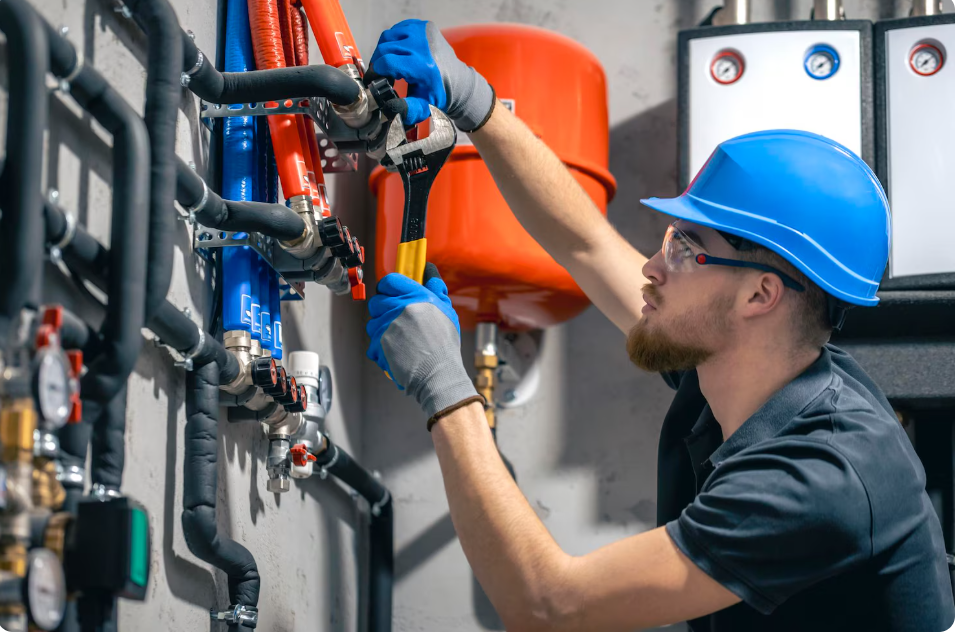
Understanding the Role of Maintenance
Maintenance is the process of keeping systems, equipment, and spaces in proper working condition through regular care and timely attention. It focuses on preventing issues rather than reacting after failures occur. When handled correctly, it supports smooth operation, reduces interruptions, and extends the lifespan of assets. A consistent approach helps avoid sudden breakdowns that can cause stress, delays, and unnecessary expenses.
Why Regular Maintenance Matters
Regular Maintenance plays a key role in ensuring efficiency and reliability. Small issues often develop slowly and may go unnoticed until they become serious problems. Routine checks help identify early signs of wear or malfunction. Addressing these concerns promptly improves performance and reduces the risk of costly repairs. This proactive approach creates stability and supports long term operational success.
Preventive Maintenance and Its Benefits
Preventive Maintenance focuses on scheduled care and inspections. Instead of waiting for failure, systems are serviced at planned intervals. This method improves safety, minimizes downtime, and ensures consistent performance. Preventive actions also help organizations and homeowners plan expenses more effectively. By investing in regular care, long term costs are often reduced significantly.
Improving Efficiency Through Maintenance
Efficiency depends heavily on proper Maintenance. Well maintained systems operate smoothly and consume fewer resources. Equipment that runs at optimal levels delivers better results and reduces waste. Clean and properly adjusted components perform more effectively than neglected ones. Improved efficiency supports productivity and contributes to overall cost savings.
Maintenance and Safety Considerations
Safety is a critical reason to prioritize Maintenance. Faulty equipment or neglected systems can create hazards. Regular inspections reduce risks by ensuring that components function as intended. Safe environments protect people, property, and operations. Maintenance routines help identify potential dangers early, allowing corrective action before accidents occur.
Cost Control Through Smart Maintenance Planning
Many people view Maintenance as an expense, but it is actually a cost control strategy. Emergency repairs are often more expensive than routine care. Planned servicing helps spread costs over time and avoids sudden financial strain. Smart planning also ensures that resources are allocated efficiently. Over time, consistent care results in better financial management and fewer unexpected costs.
The Importance of Documentation and Scheduling
Effective Maintenance relies on proper documentation and scheduling. Keeping records of inspections, repairs, and replacements helps track performance and identify recurring issues. Scheduling tasks ensures that no critical checks are missed. Organized records support better decision making and help evaluate the condition of systems over time.
Maintenance and Long Term Asset Value
Assets that receive regular Maintenance retain their value longer. Whether it is equipment, infrastructure, or facilities, proper care slows deterioration. Well maintained assets perform better and remain usable for extended periods. This approach supports sustainability and reduces the need for frequent replacements. Long term value protection is one of the strongest benefits of consistent care.
Adapting Maintenance to Changing Needs
Maintenance requirements evolve as systems age or usage patterns change. Regular evaluation helps adjust routines to match current conditions. Upgrading methods or schedules ensures continued effectiveness. Flexibility allows maintenance plans to remain relevant and efficient. Adapting strategies over time supports reliability and performance.
Building a Culture of Maintenance
A strong Maintenance culture encourages responsibility and awareness. When individuals understand the importance of care, systems are treated with greater attention. Clear procedures and shared accountability improve outcomes. A culture that values maintenance leads to fewer problems and more dependable operations.
Conclusion
Maintenance is essential for keeping systems efficient, safe, and reliable. Through preventive care, smart planning, and consistent monitoring, long term performance improves while costs remain controlled. Focusing on regular upkeep protects assets and reduces unexpected disruptions. A disciplined approach to care ensures stability, efficiency, and lasting value in everyday operations.